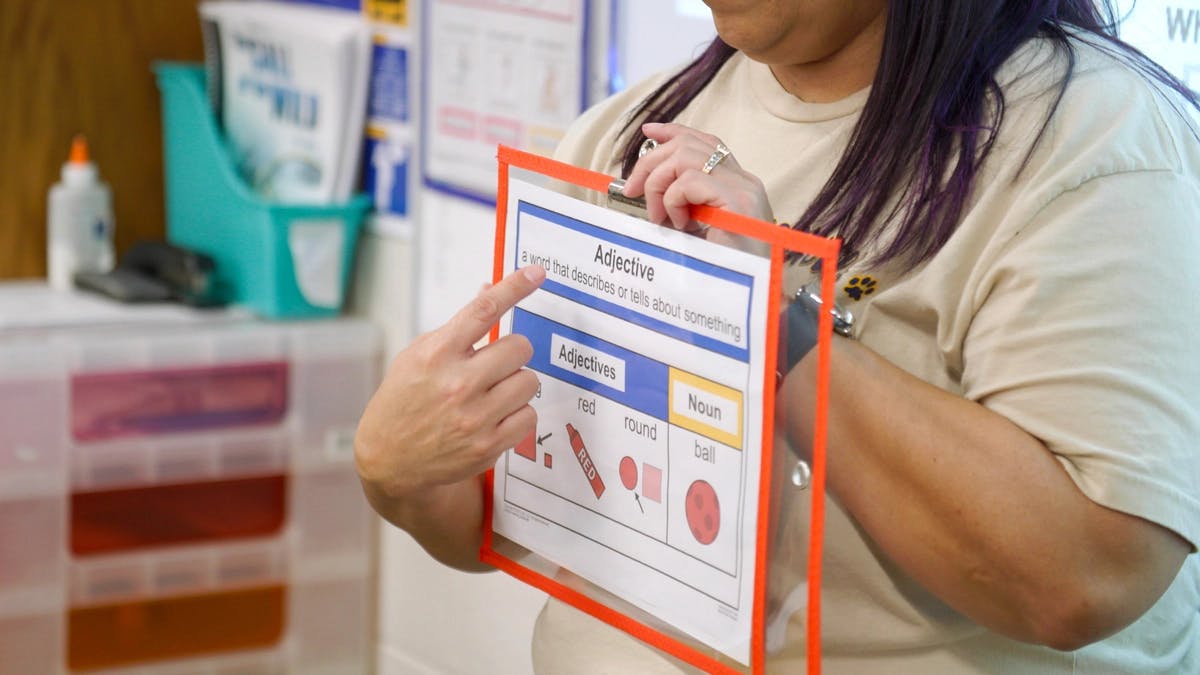
Model a specific skill or routine
Students can watch tasks such as lining up, asking for help or starting group work, then copy what they see.

Positivity includes a range of tools that help students understand expectations, manage emotions and build independence. From visual schedules and decision trees to social narratives and video modeling, each feature gives educators clear strategies to guide behavior throughout the day.

Give students a clear picture of their day with easy-to-follow schedules that build predictability and reduce stress.
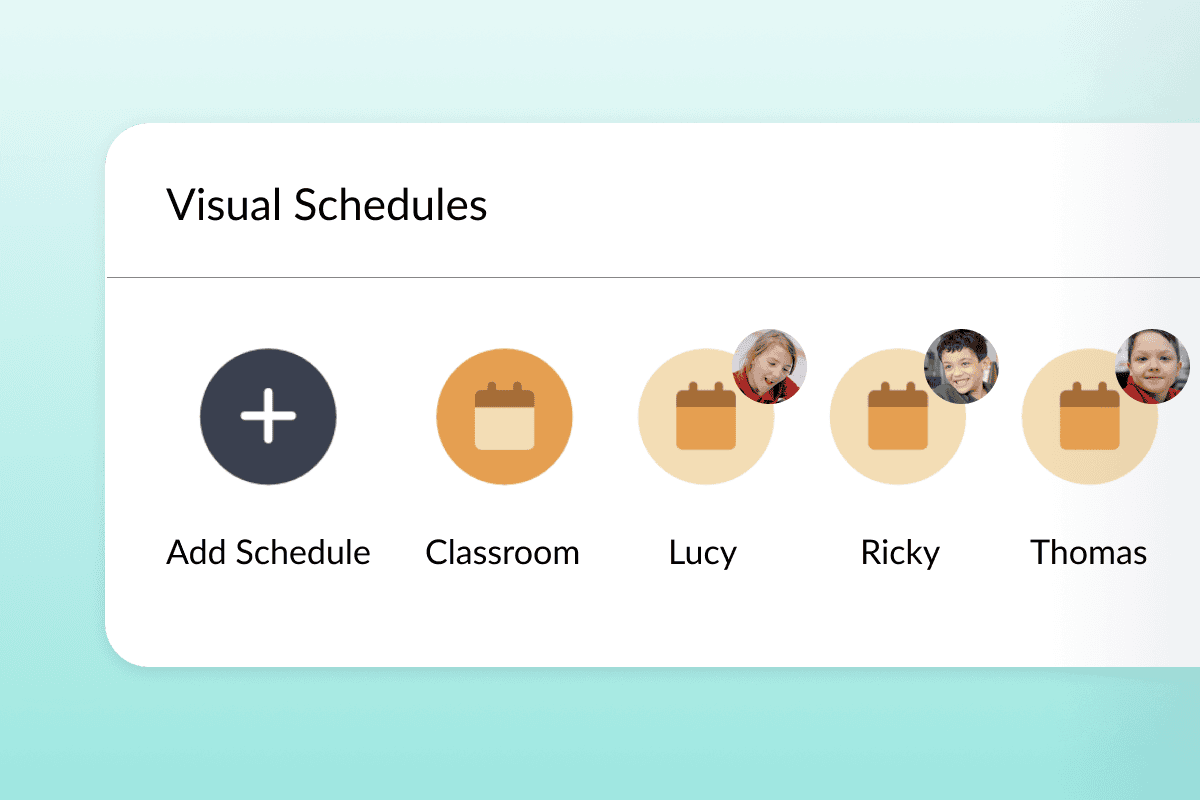
Create tailored schedules for one student or an entire class, so everyone knows what to expect throughout the day.
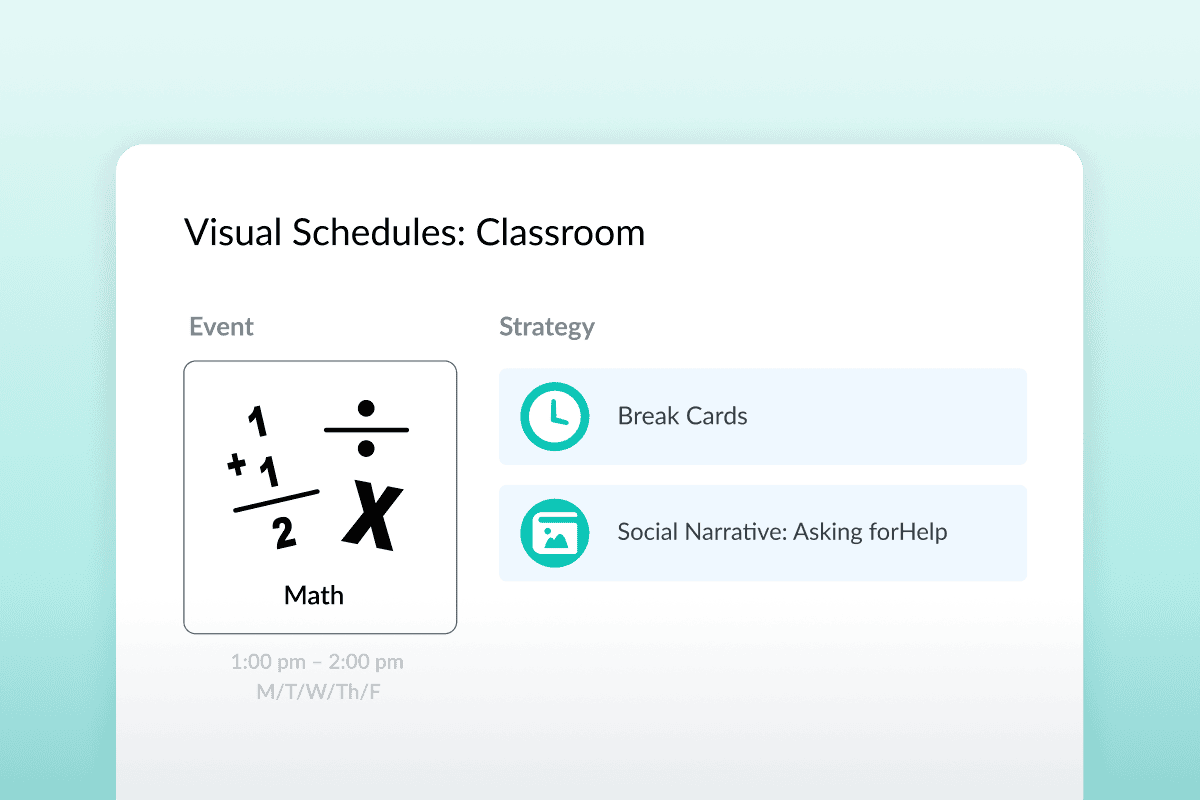
Add simple symbols icons and short labels to show what’s happening next. This helps students who learn best through visual support.
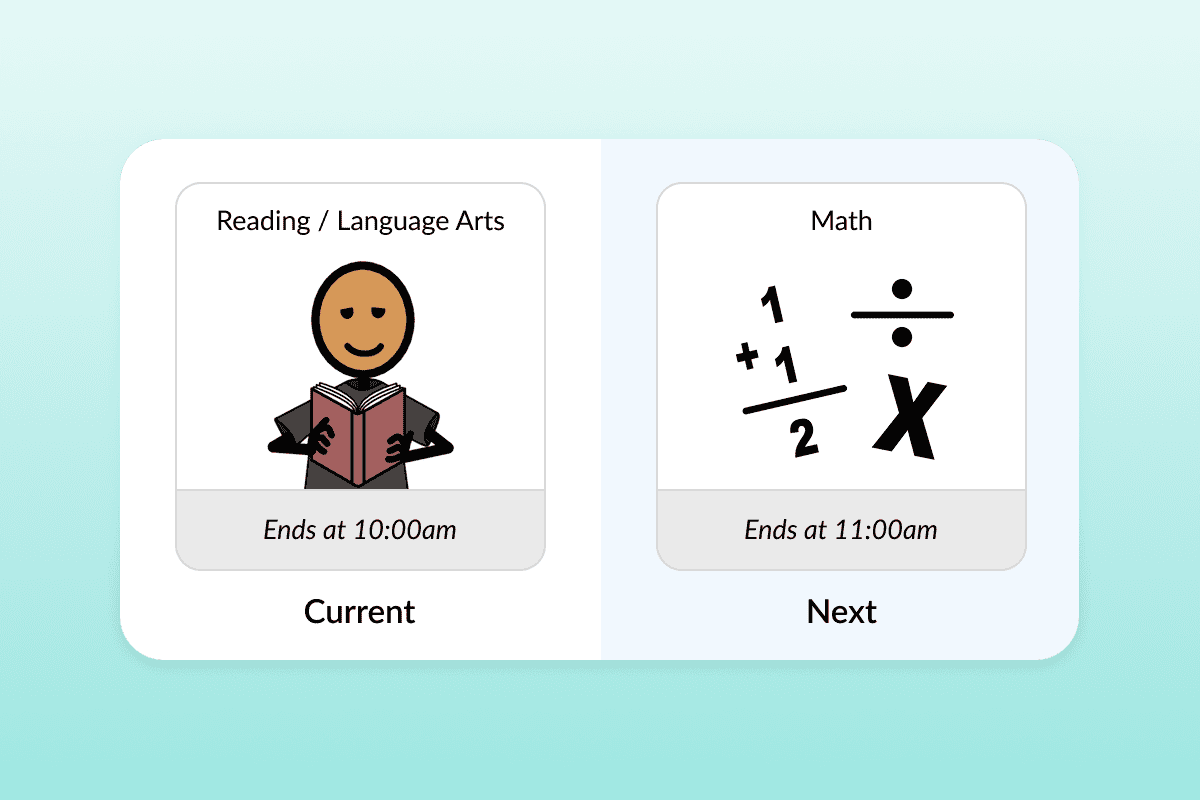
When students can see their day laid out, it eases worry and prepares them for transitions or changes in routine.
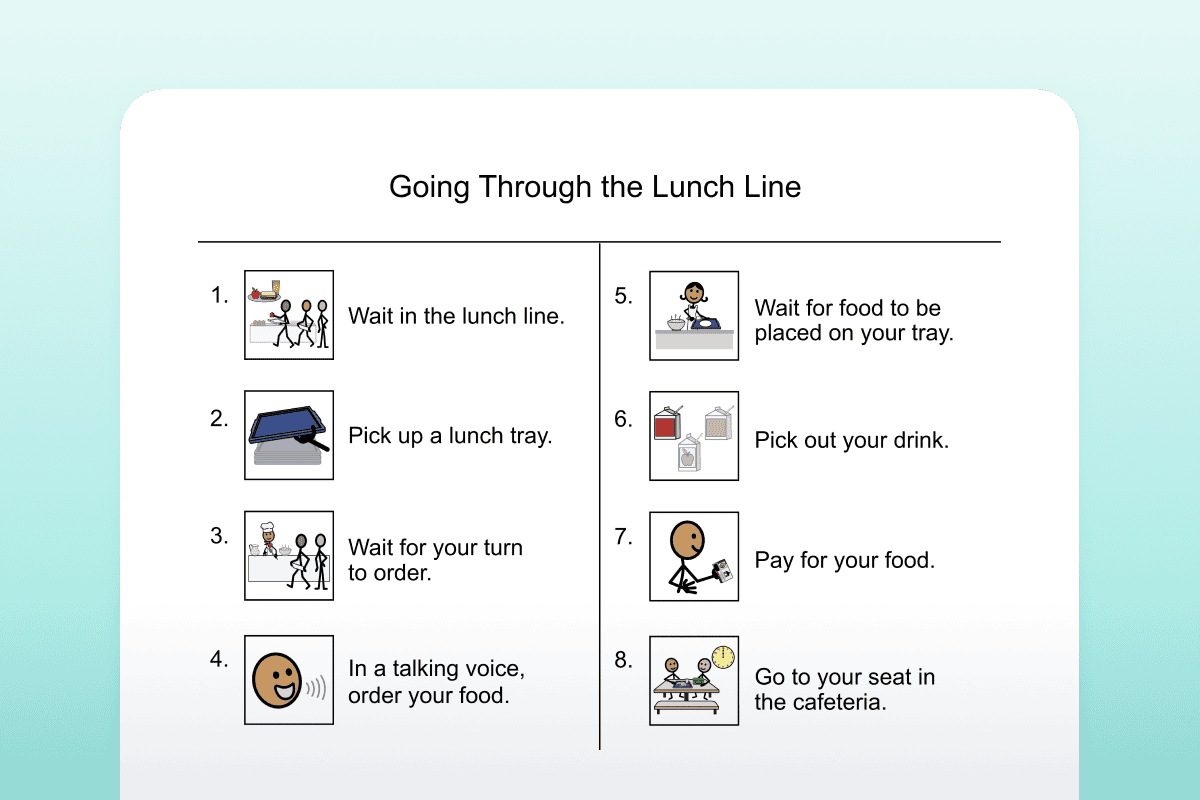
Students can check the schedule themselves without waiting for an adult, helping them take more ownership of their day.

Help students work through choices with clear, guided steps that build problem-solving skills.


Use pre-made, customizable stories to teach social skills, prepare for new situations, and support emotional understanding. Teachers can easily adjust the wording and images to reflect real life examples or draw from the symbol library, saving time while maintaining flexibility.
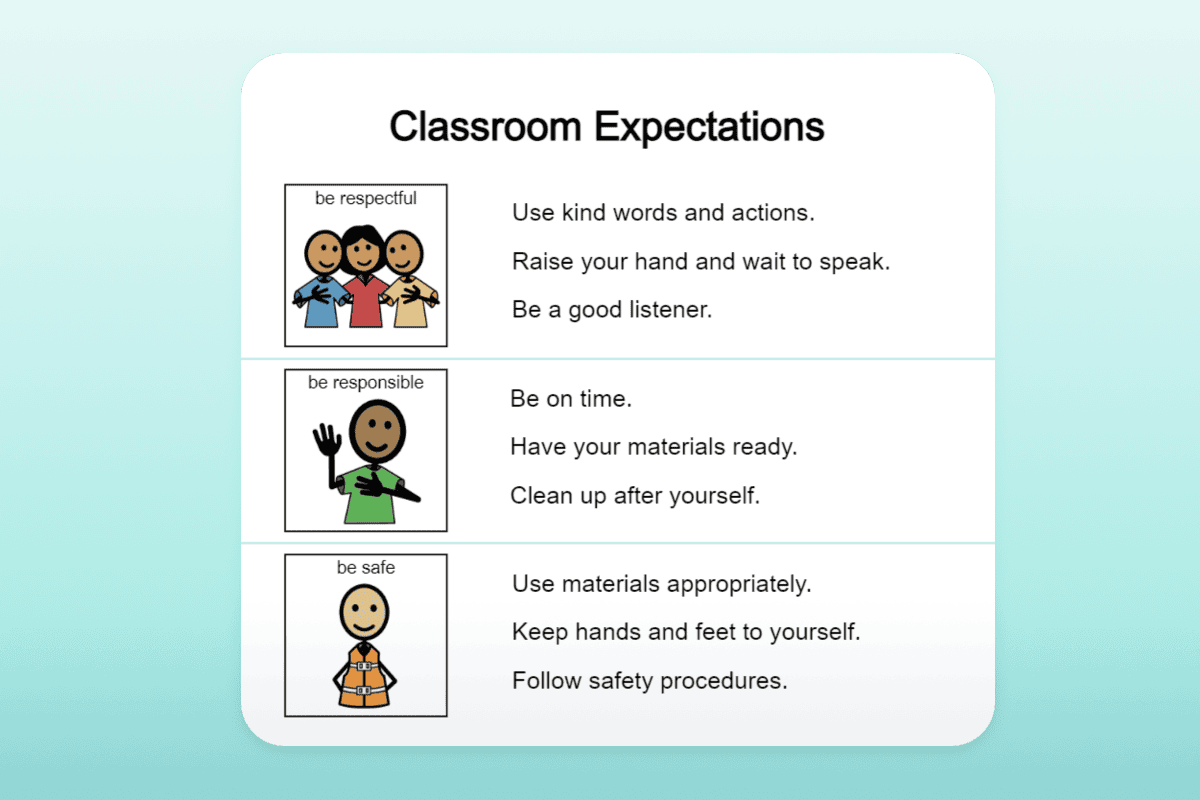
Explain what is happening, why it matters and what a positive response looks like, using simple, concrete language.
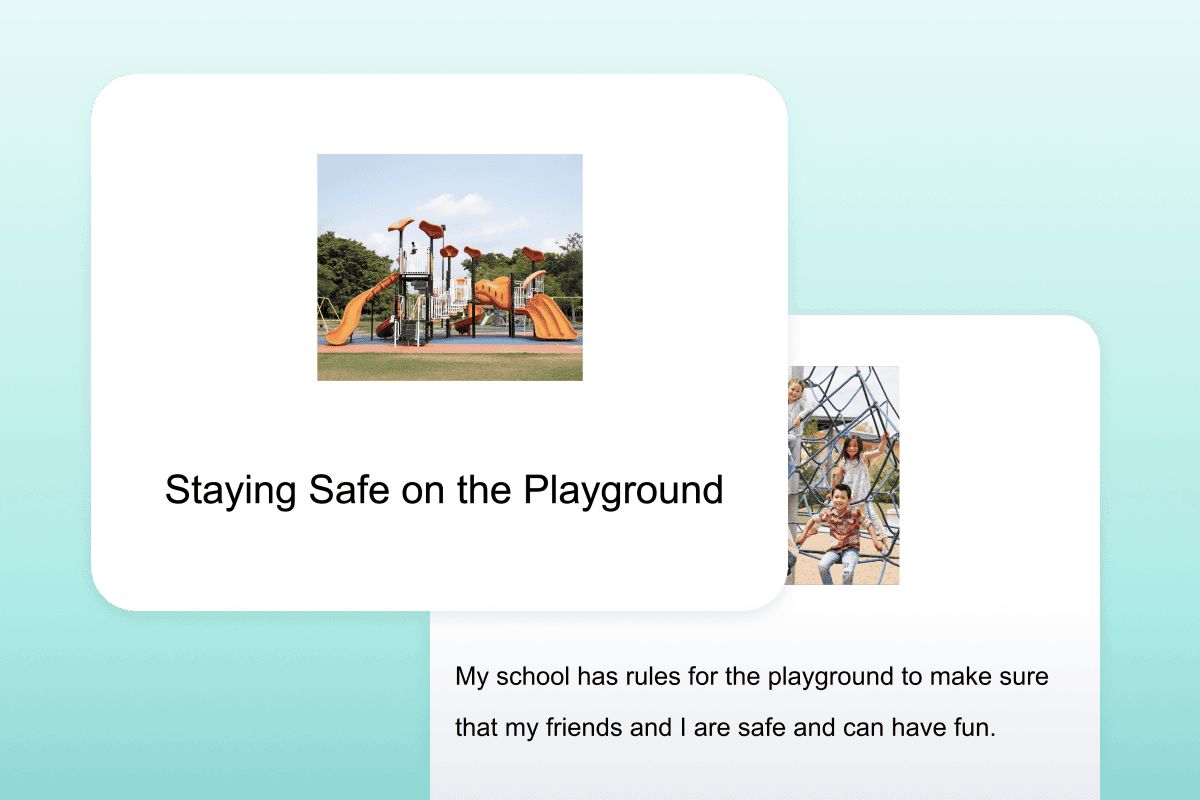
Create stories that reflect situations they experience, such as group work, lunch routines or fire drills.
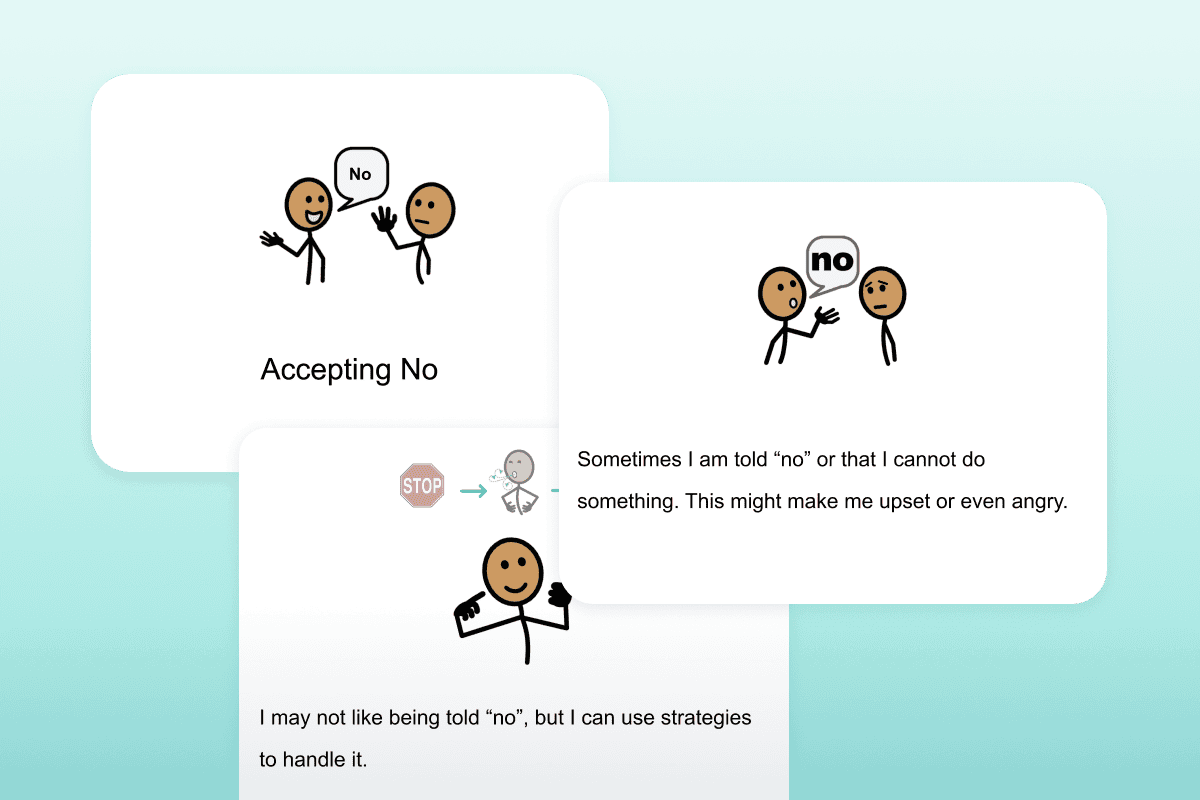
Social narratives help students interpret social cues and see how their actions affect others.
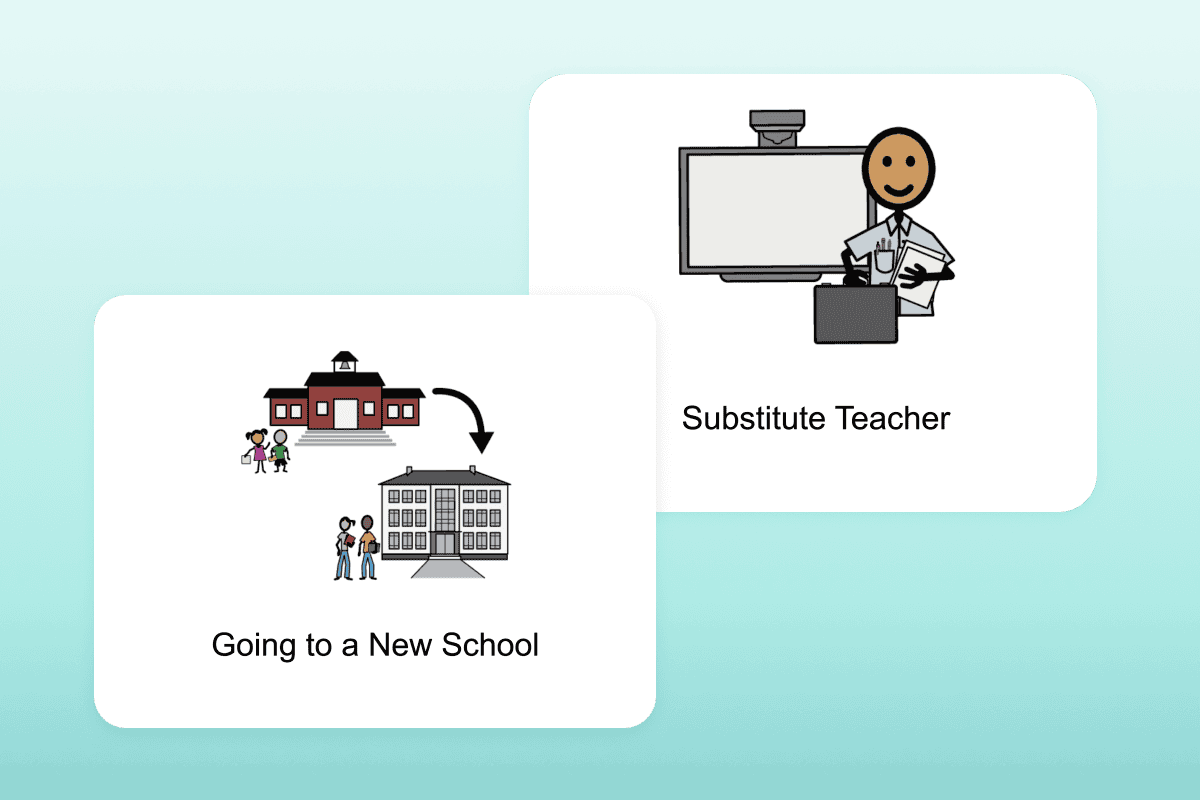
Stories give students a safe way to practice coping strategies and build confidence before trying them in real life.

Show students what positive behavior looks like with short videos that demonstrate real steps, routines and skills.
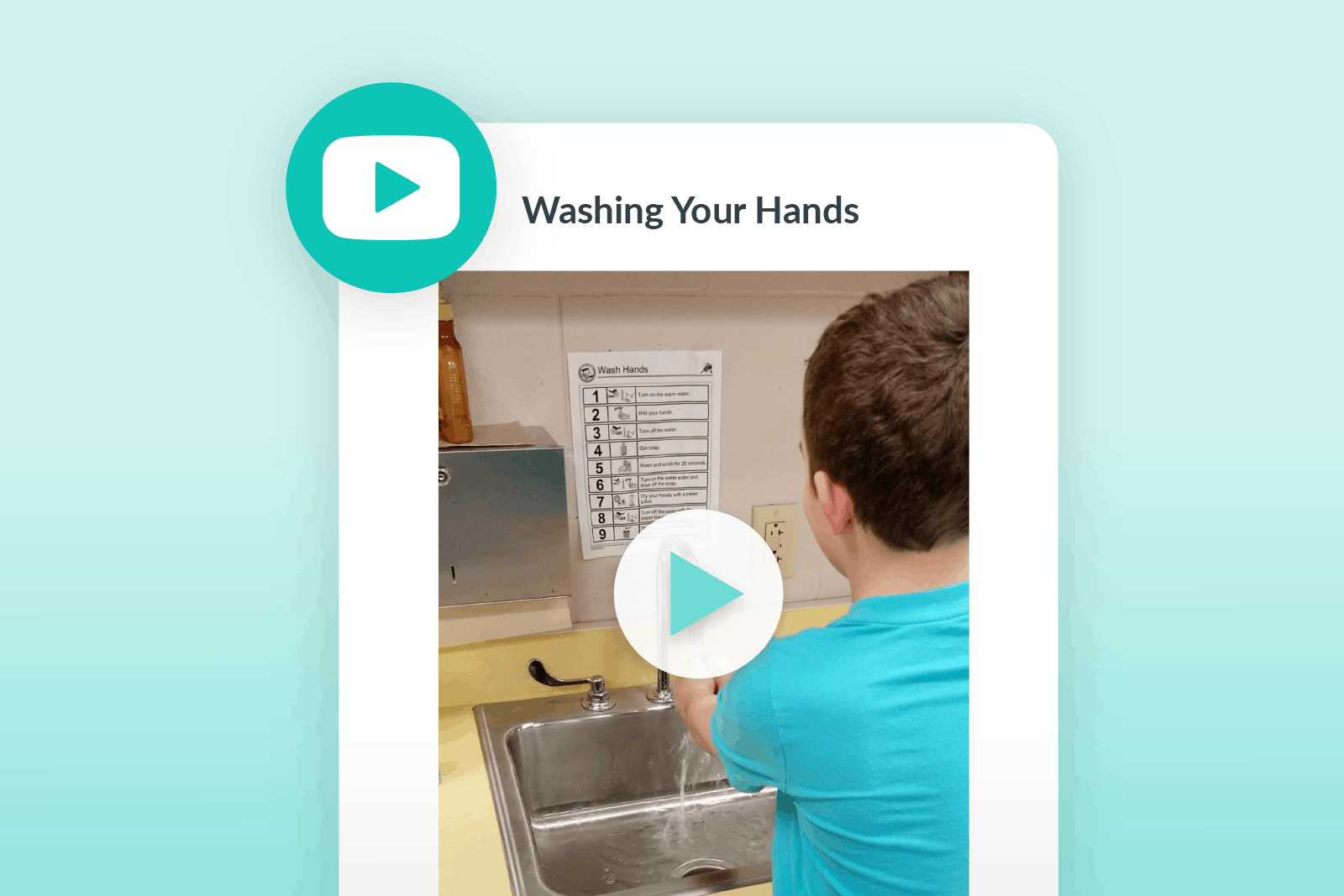
Students can watch tasks such as lining up, asking for help or starting group work, then copy what they see.
Videos introduce unfamiliar tasks so students feel more comfortable before trying them.
Play a short clip whenever a student needs a refresher on how to respond or what to do next.
Some students learn best when they see a skill in action rather than hearing a verbal explanation.
Positivity works in classrooms, at home and in hybrid environments, making it easy to support every learner wherever they read.

Encourage positive behavior with clear, motivating charts that show progress and reward effort.

Give students a non-verbal, respectful way to communicate when they need a break.

Help students manage stress with guided breathing exercises that promote calm and focus.

Keep routines steady with gentle alerts that support time awareness and smooth transitions.
Whether you're new to Positivity or rolling it out across classrooms, our professional learning resources offer guidance, best practices and easy how-tos.
Share a few details with us and a member of our team will reach out to understand your goals, answer your questions and show you how Positivity can support your students.